
Prevention Checklists
Fall Furnace Checklist Before the First Cold Night
By John Gach, owner of Vantage Heating and Cooling · Published · Updated
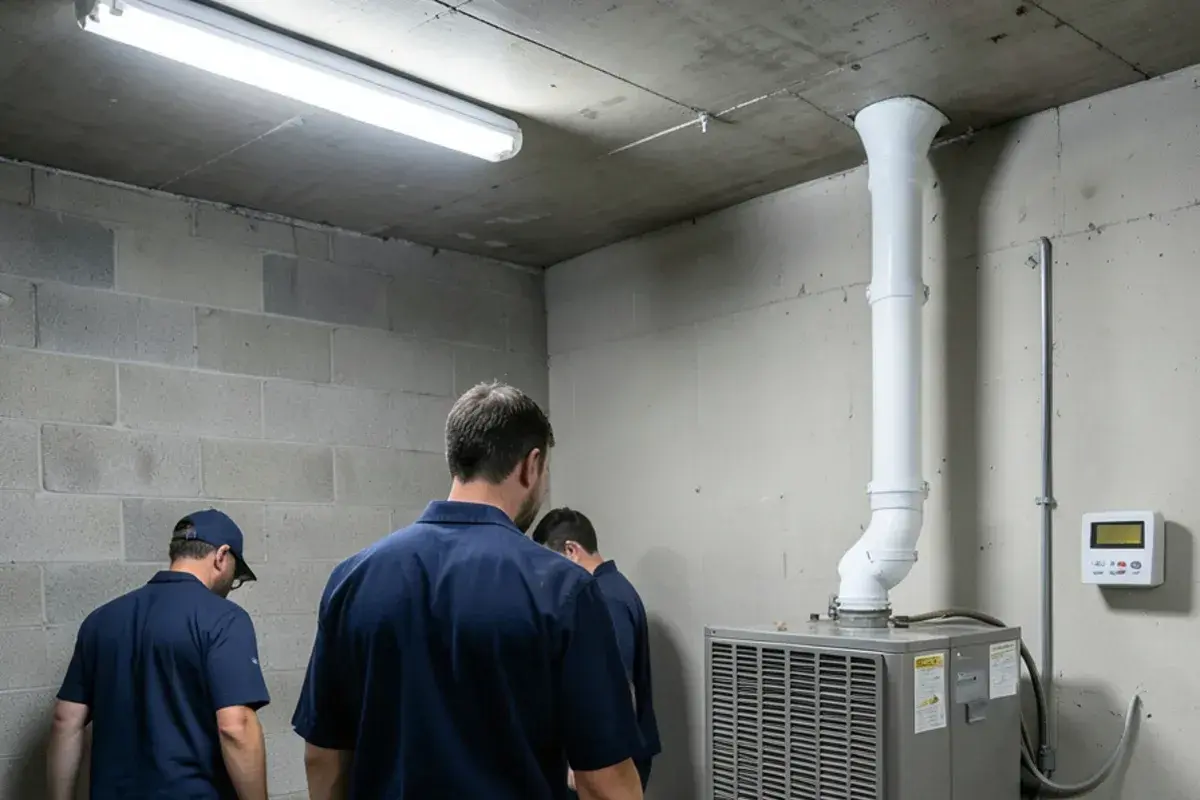
A furnace maintenance checklist for fall starts with five things you can do yourself: change the filter, clear the vents and the area around the furnace, test your carbon monoxide alarms, run the heat on a mild day, and book a tune-up. Do them before the first cold night, because that is the night every technician's phone rings.
Buffalo's heating season runs roughly from September 19 to May 31, according to NOAA normals reported by MyWild.Report, and about 124 nights a year drop to freezing or below. The system you start in October has to run for most of the next eight months.
What should you check yourself?
Work down this list on a weekend afternoon:
- Replace the filter. ENERGY STAR says to inspect, clean or change it about once a month, and a dirty one raises energy costs and can shorten equipment life.
- Clear the area. Move boxes, paint cans and laundry away from the furnace, boiler and water heater.
- Check the vents outside. High-efficiency furnaces vent through two plastic pipes on a side wall. Clear leaves, nests and debris now, and mark the spot for snow. Our guide on lake-effect snow and your furnace vent explains why.
- Open every register. Make sure none are blocked by furniture or rugs.
- Look at the thermostat. Fresh batteries if it uses them, and a schedule that matches your week.
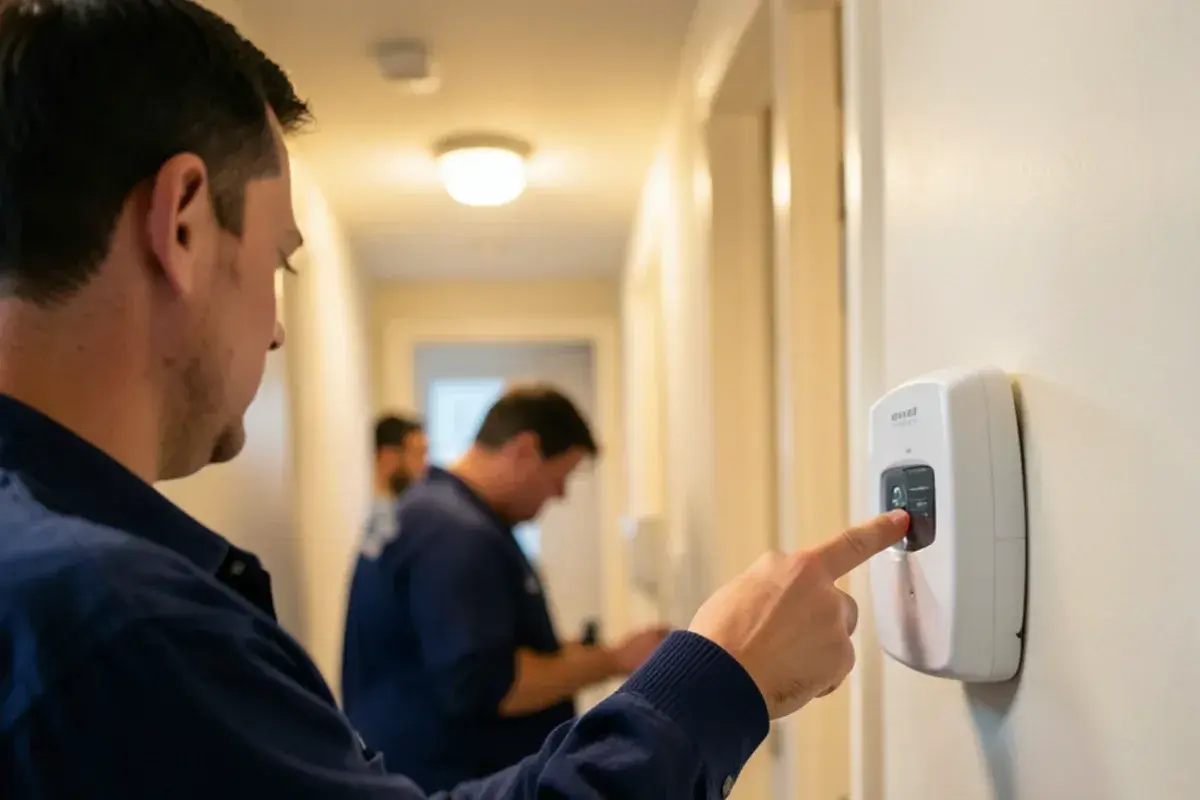
How do you test the carbon monoxide alarms?
Do it every fall. Press the test button on each alarm, and replace the batteries or the unit if it is past its date. You want an alarm on every level and near bedrooms.
If an alarm sounds, go outside right away and then call 911. National Fuel lists fatigue, headache, dizziness and nausea as symptoms of carbon monoxide exposure. Do not go back inside to find the cause.
What do the rules say about carbon monoxide alarms in New York?
New York's Amanda's Law took effect on February 22, 2010, and requires carbon monoxide alarms in residences, according to the state Division of Homeland Security and Emergency Services and the state housing agency. What a particular house needs, such as how many alarms and where, depends on its type and the current code, so ask your municipal code office if you are unsure.
The U.S. Consumer Product Safety Commission advises testing carbon monoxide alarms once a month and installing them on every level of the home and outside sleeping areas. Follow the manufacturer's label for the replacement date, and replace any alarm that sounds its end-of-life signal. If you have a sealed alarm with a long-life battery, the date still applies.
Should you run the furnace before it gets cold?
Yes. On a mild day in early or mid October, set the thermostat to heat and let the furnace run through a full cycle. You want to confirm that it lights, that the blower runs, and that warm air reaches the rooms.
Expect a faint dusty smell for the first few minutes as dust burns off. A strong burning smell, a rotten-egg smell, strange banging or a furnace that lights and then shuts off are not normal. Shut it off and call.
What does a technician check in a fall tune-up?
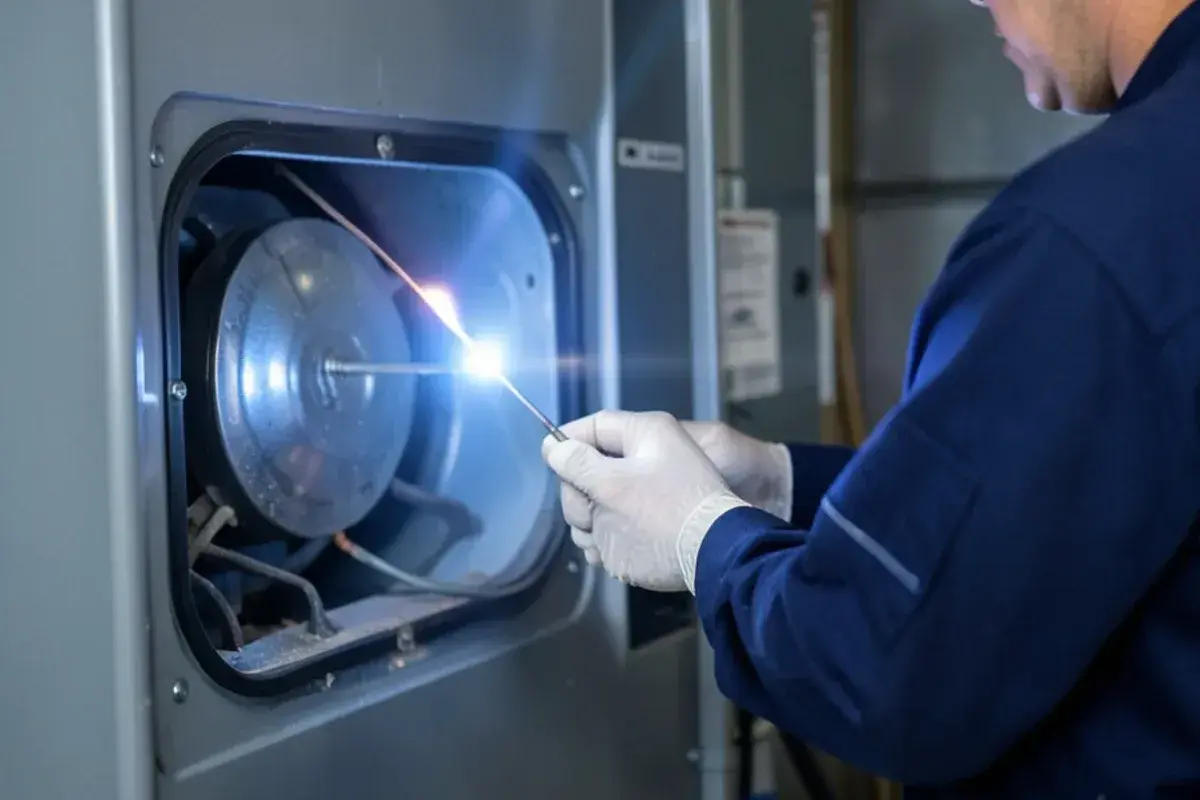
ENERGY STAR lists what a contractor's annual check-up should cover. For a gas furnace, the heating items include:
| Item | Why it matters |
|---|---|
| Gas connections, gas pressure and burner combustion | Faulty connections are a fire hazard and affect health |
| Burner and heat exchanger | A dirty burner or cracked heat exchanger makes equipment less safe and efficient |
| Electrical connections, voltage and current | Prevents motor and control failures |
| Moving parts | Lubrication reduces motor friction and electric use |
| Condensate drain | A clog causes water damage or shutdowns |
| Controls and starting cycle | Confirms the furnace starts, runs and stops correctly |
| Thermostat settings | Keeps the home comfortable and saves energy when away |
We also check the flame sensor and ignitor, since a sensor coated with residue is a common reason a furnace lights and then quits. One customer told us on Google that a routine inspection of a furnace that had been firing erratically led to a cleaned lighting element and no trouble through a run of single-digit temperatures.
“He gave it a thorough look over and cleaned up a lighting element that appeared to have resolved the issue.”
When should each fall task happen?
Tie the work to the temperature, since the first freeze in Western New York can arrive anywhere from early October to November.
| When | Task | Why |
|---|---|---|
| Late September, as the heating season begins | Replace the filter, clear the furnace area, test the alarms | Nothing depends on the weather, and a bad alarm is easy to fix now |
| First cool week | Run the furnace through a full cycle, check the vents outside | You find problems on a day when a no-heat call is uncomfortable but not dangerous |
| Before the first hard freeze | Book the tune-up if you have not yet | Technician calendars fill when the cold arrives |
| Before the first snowfall | Mark the vent pipes with a stake, plan where snow will go | A buried vent can shut a high-efficiency furnace |
| Mid-season | Check the filter monthly | The system runs more hours than it does in any other season |
If your furnace is old, add one more item: write down the model, serial number and any error codes. Our guide on furnace replacement cost explains why that information matters if a repair decision comes up.
What should you leave alone?
A fall checklist has a limit, and the limit is the burner compartment. Do not remove the burner cover, adjust the gas valve, bend the flame sensor or clean the heat exchanger yourself. National Fuel's guidance for a gas smell is to leave the house and call from outside, which reflects how seriously gas appliances should be handled.
If you have a whole-house humidifier, follow the manufacturer's instructions for replacing the water panel before the season, and shut off its water supply if you find a leak. If you have a wifi thermostat and it lost its connection last winter, check that it still has power from the furnace before you assume it is broken. A missing C wire is a common reason for that, and it is a quick job for a technician.
What about a boiler or radiators?
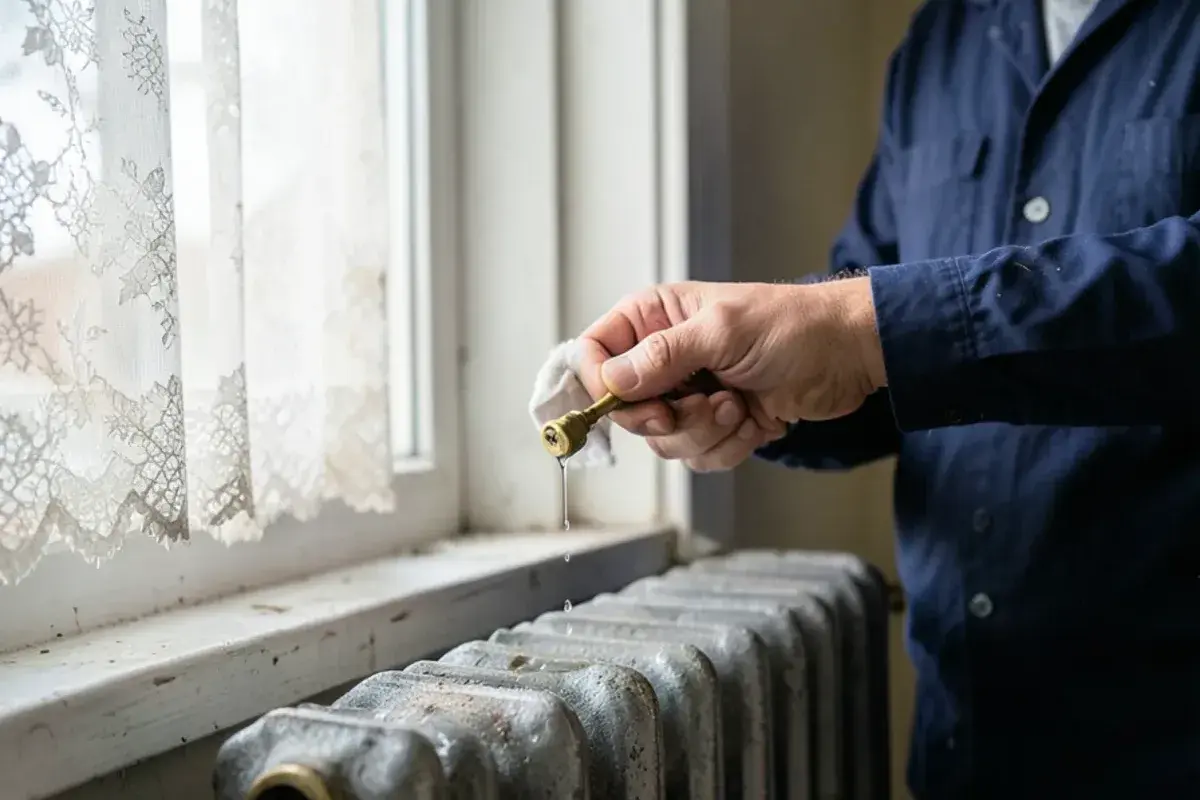
Older homes in Kenmore and nearby villages often have hot water boilers and radiators. The fall list is slightly different. Bleed air from the radiators, check for drips at valves, look at the water pressure gauge, and keep the area around the boiler clear. A boiler tune-up covers the burner, the controls and the safety devices, much like a furnace visit. If the boiler is old or leaking, our page on boiler replacement explains the options.
What we watch for at a fall visit
A fall visit is about finding what will fail in January while it is still cheap and quiet to fix. We run the system, test the safety controls, clean what needs cleaning and show you what we found. If something is worn, we tell you whether it can wait, and we do not push work you do not need.
Our furnace maintenance page describes the visit in more detail. In homes with tight basements and older equipment, which describes many in Kenmore, clearances and venting get extra attention.
Book before the first cold snap
Book before the first freeze, not after it. If you are in Kenmore or anywhere in the Buffalo area, call (321) 666-8870. If your furnace already acts up, ask about furnace repair too. Our office hours are Monday through Friday, 7:30 AM to 5:00 PM, and you can leave a message at any other time.
Quick answers
When should I start my furnace for the first time each fall?
Run it on a mild day in early to mid October, not on the first freezing night. Set the thermostat to heat, let it cycle for 10 to 15 minutes, and check that warm air reaches each room. A slight dust smell is normal for the first few minutes. Any burning, gas or sharp smell is not.
What should I do if I smell gas near my furnace?
Leave the house right away without touching light switches, and do not light anything. From outside or a neighbor's home, call National Fuel's emergency line at 1-800-444-3130, or call 911. National Fuel says the line runs 24 hours a day, seven days a week, and leak investigations are free.
Do I need a fall tune-up if my furnace is new?
A yearly check is still worth it. ENERGY STAR recommends a yearly tune-up for efficiency and comfort, and a newer furnace is no exception. A technician checks the burner, heat exchanger, gas connections and safety controls. Newer high-efficiency furnaces also have condensate drains and plastic vents that need a look.
Sources
- ENERGY STAR, Maintenance Checklist for heating and cooling systems
- National Fuel, Fall 2025 customer newsletter: gas leak and carbon monoxide safety
- New York State DHSES, Amanda's Law (carbon monoxide alarms, effective February 22, 2010)
- New York State Homes and Community Renewal, Amanda's Law: CO detectors/alarms
- U.S. Consumer Product Safety Commission, CO alarms (test monthly, every level and outside sleeping areas)
- MyWild.Report, Buffalo climate summary based on NOAA normals