
Emergency Guides
No Heat at Night: Safe Steps Before You Call a Technician
By John Gach, owner of Vantage Heating and Cooling · Published · Updated
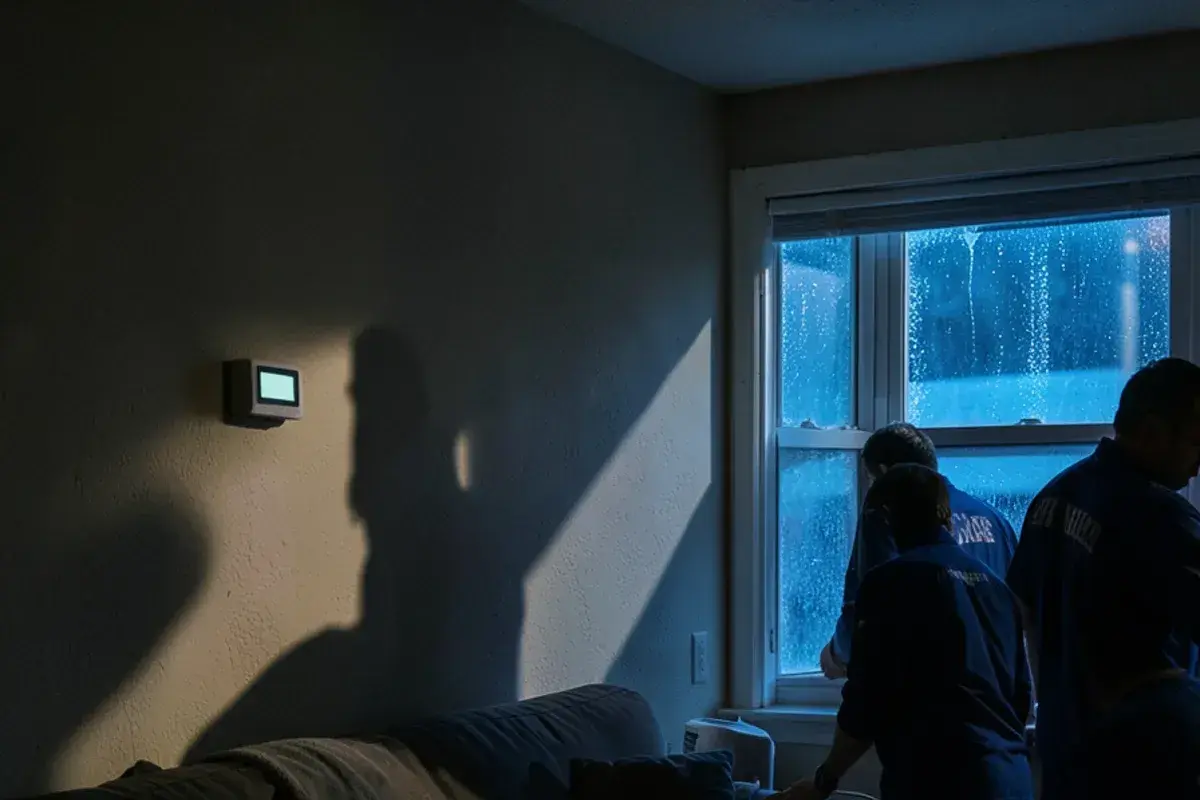
If you have no heat at night, check the thermostat, the furnace power switch, the breaker and the outdoor vent pipes, then call a technician. Before any of that, rule out two dangers: a gas smell and carbon monoxide. If either is possible, go outside first and read the box below.
A cold house at 10 PM feels like an emergency, and sometimes it is. Most of the time it comes down to a handful of causes you can check in a few minutes. This guide covers what to try, what to leave alone, and what to say when you call.
What comes first: gas smell and carbon monoxide?
Safety steps come before troubleshooting. National Fuel is the gas utility for most of Western New York, and its guidance is clear.
- If you smell gas (a rotten egg odor), leave the house immediately. Do not touch light switches, do not light matches, and do not use anything that could spark. From a different location, call National Fuel's emergency line at 1-800-444-3130 or call 911. National Fuel says the line answers 24 hours a day, seven days a week, and that gas leak investigations are free.
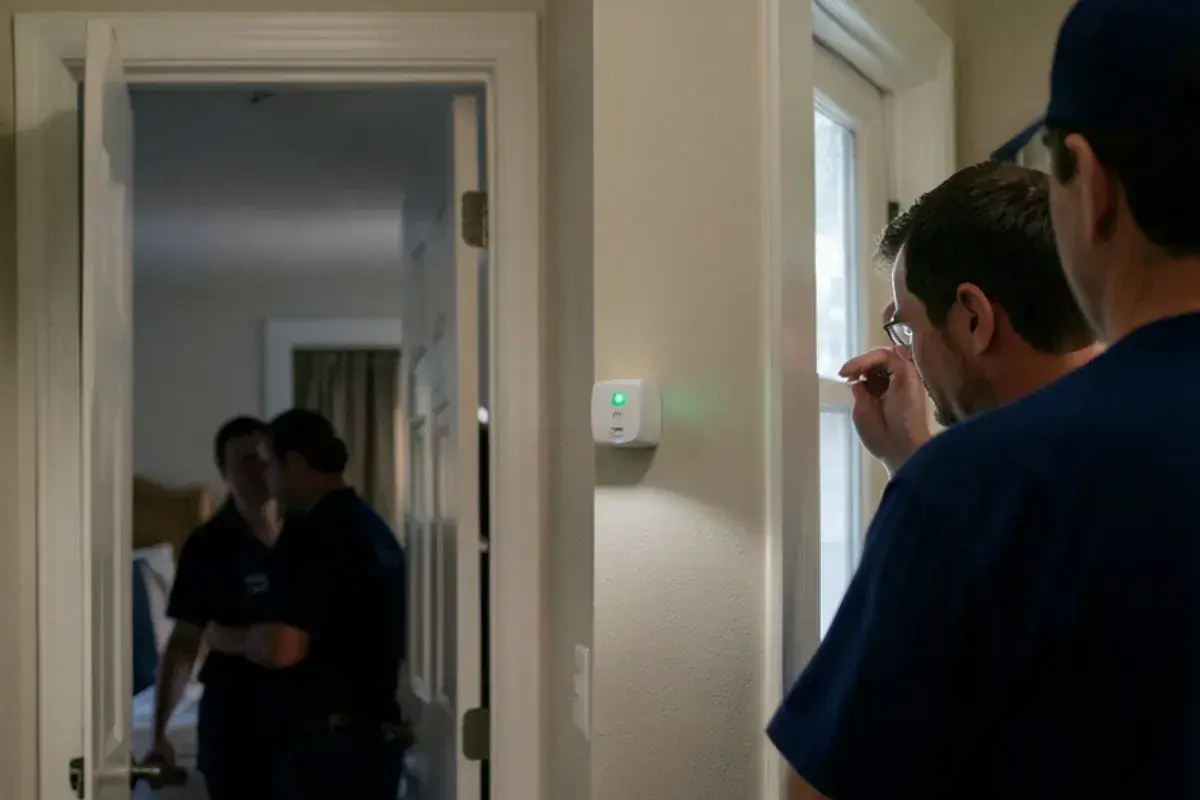
- If a carbon monoxide alarm sounds, or anyone has fatigue, headache, dizziness or nausea that eases when they leave the house, go outside immediately and call 911.
Do not return to troubleshoot until the utility or the fire department says it is safe.
What can you check in five minutes?
Go through these in order. They match the causes we see most often when a furnace simply stops.
- Thermostat. Set it to heat, raise the setpoint five degrees above the room, and replace the batteries if the screen is dim or blank.
- Furnace switch. Look for a switch that looks like an ordinary light switch on or near the furnace. Someone brushing past it, or a cleaner, is a surprisingly common cause.
- Breaker. Find the furnace breaker and reset it once. If it trips again, stop.
- Filter. A badly clogged filter can overheat the furnace and trip its limit switch.
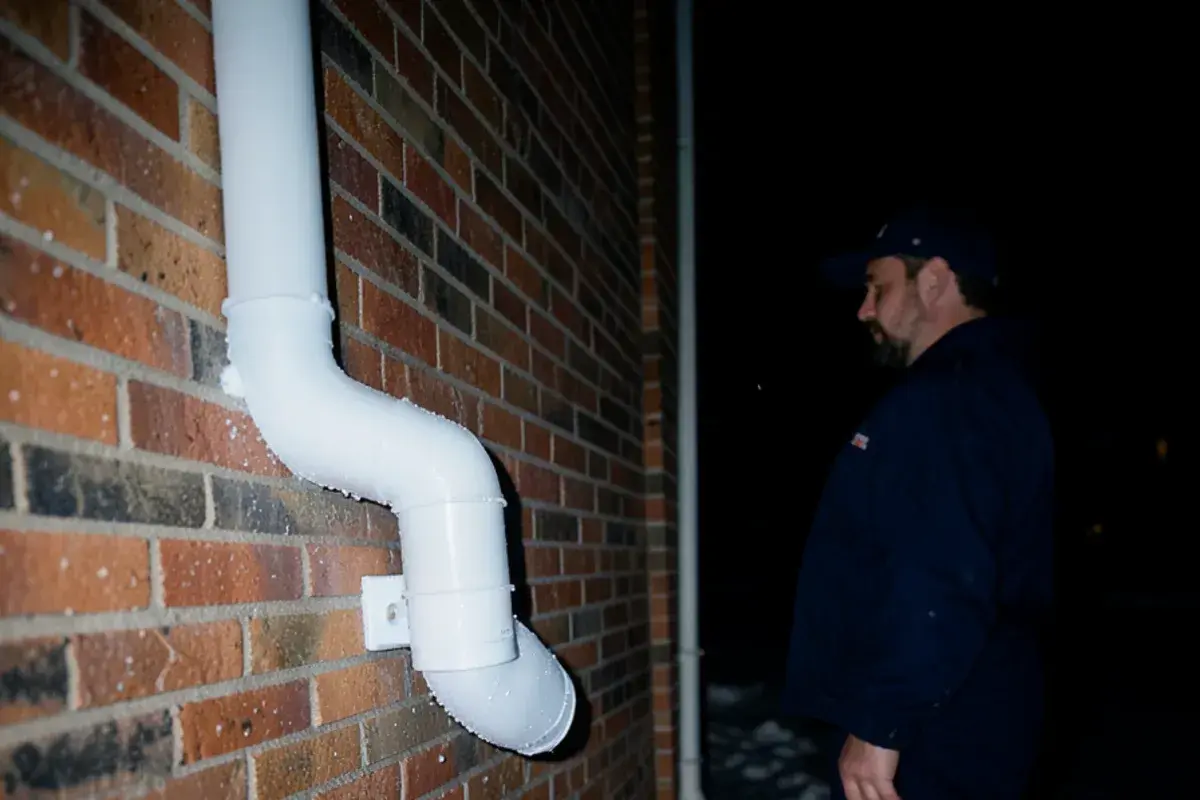
- Outdoor vent pipes. High-efficiency furnaces vent through white plastic pipes on a side wall. Snow or ice over the opening shuts the furnace down. We cover this in lake-effect snow and your furnace vent, and National Fuel also asks customers to keep exhaust and intake vents clear of snow and ice.
- Gas supply. Check that the gas valve at the furnace is parallel to the pipe, which means open. Do not touch the gas meter.
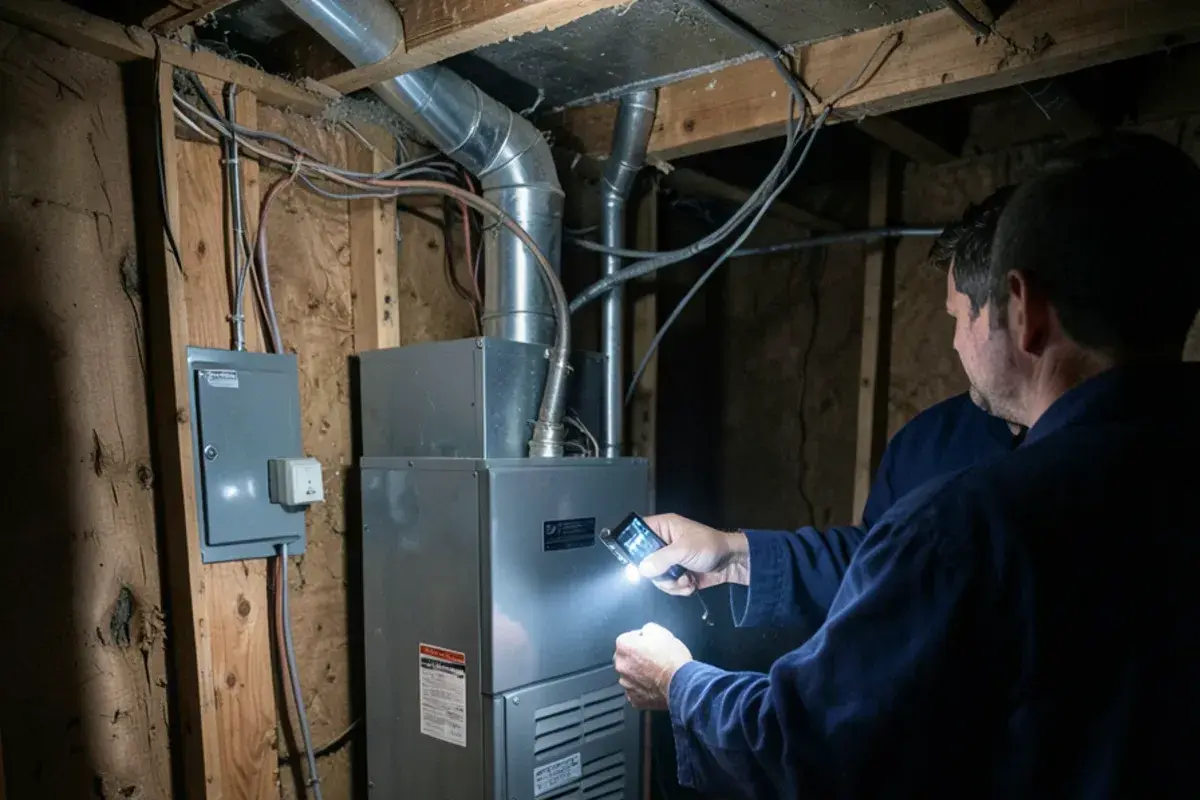
If the furnace tries to start, clicks, then quits after a few seconds, do not keep resetting it. Repeated tries do not help, and the pattern is useful information for us.
A newer wifi thermostat adds one more thing to check. Many run on a small battery or on power stolen from the furnace wiring when there is no C wire, and a weak supply can make the screen go dark or drop the call for heat. Fresh batteries are the first fix. If the screen keeps going blank, the lasting fix is a proper common wire, which is part of thermostat installation when the old cable has a spare conductor or one needs to be run.
How do you keep the house livable until it is fixed?
Heat is not only about comfort. Cold hurts pipes, older adults and young children.
- Close doors and shut off unused rooms. Pick one room, ideally an interior room, and keep the family there.
- Hang a blanket over drafty windows and stuff a towel under exterior doors.
- Use layers and bedding. Electric space heaters are an option if they plug directly into the wall, sit on a hard floor, and stay clear of anything flammable. Never leave one running while you sleep.
- Never burn charcoal indoors and never run a generator in a garage or basement.
- Open the cabinet doors under kitchen and bathroom sinks, and let a faucet drip on exterior-wall plumbing.
- Keep any space heater at least three feet from bedding, curtains and furniture, and turn it off when you leave the room.
- If a pipe does freeze, never thaw it with a torch, a heat gun pointed at a joint or any open flame. Turn the water off at the main and call a plumber.
Be honest with yourself about how long this is workable. A single heated room with the door closed can carry a household through a night. It does not protect the plumbing in the basement, the kitchen outside wall or the garage. If the forecast is in the single digits and the repair cannot happen soon, consider staying with family or friends, and shut the water off at the main if you will be away from a cold house.
What does the problem usually turn out to be?
| What happens | Typical cause | Who can fix it |
|---|---|---|
| Blank thermostat, silent furnace | Dead thermostat batteries, tripped breaker or switch off | You |
| Furnace starts, stops, tries again | Dirty flame sensor, weak ignitor or a blocked vent | Usually a technician |
| Blower runs, only cool air | Ignition or gas valve problem | A technician |
| Furnace runs, house stays cold | Clogged filter, failing blower or ductwork issue | Depends |
| Loud bang, burning smell or smoke | Serious fault | Switch the furnace off and call |
How we look at a no-heat call
When someone calls about a furnace that quit, we ask about the thermostat, the vents and the sounds first. Then we work from the cheapest explanation to the most expensive. A dirty flame sensor or a failing ignitor is a small repair. A cracked heat exchanger or a failed control board is a larger decision, and we explain both before you approve anything.
We try to be honest about timing. Our office runs Monday through Friday, 7:30 AM to 5:00 PM, and is closed on weekends. Call us outside those hours anyway and leave a message. Customers have reached us on weekends, and if we cannot get there in time we will say so and suggest a safe stopgap. One reviewer described a call this way:
“John responded to the call and was able to be at my home within a half hour.”
That is one customer's experience, not a promise of an arrival time. For the details of how we handle these calls, see emergency furnace repair and furnace repair.
What if you cannot afford the repair right now?
Ask early, because help programs run on their own calendars. Erie County's Department of Social Services runs the Home Energy Assistance Program, and its page lists a benefit for repairing or replacing heating equipment, known as HERR. Eligibility is income based and the rules change from season to season, so confirm the current details with the county. Its HEAP phone center is at (716) 858-7644, Monday through Friday, 8:00 a.m. to 4:00 p.m., and the county page says the 2026-27 season is expected to open November 2, 2026 for regular benefits.
Tell any contractor you call that you are applying. We will explain what is wrong with the furnace in plain terms and put it in a clear quote, which is the kind of paperwork an assistance office may ask for. We cannot promise how a program will rule on your case.
How do you prevent the next no-heat night?
A fall visit catches the failures that tend to strike in January. Furnace maintenance covers cleaning the flame sensor, checking the ignitor, testing safety switches and looking at the vent. Beyond that, put fresh batteries in your carbon monoxide alarms every fall and keep a working alarm on every level.
When should you call?
Call when the quick checks do not restart the furnace, when it cycles on and off, or when you notice odd smells or sounds. Homes in Tonawanda are about 30 minutes from our Orchard Park base, and we will tell you honestly when we can get there. The number is (321) 666-8870.
Quick answers
How long can a house stay without heat before pipes freeze?
It depends on the wind, the outdoor temperature and how well the house is sealed. Pipes in exterior walls, garages and crawl spaces go first. In a Buffalo cold snap, do not wait for a repair visit to protect them. Open cabinet doors under sinks and let a faucet drip, and tell us if you have to leave the house.
Is it safe to use my oven or a gas stove to heat the house?
No. Gas ovens and ranges are not built for heating and can produce carbon monoxide in a closed home. National Fuel names fatigue, headache, dizziness and nausea as warning signs. Use extra layers and blankets, and close doors to hold heat in one room. If an alarm sounds, go outside first and call 911.
What should I tell the technician when I call?
Tell us the furnace type if you know it, what the thermostat shows, and whether you hear the blower or see any lights on the control board. Mention anything you changed, such as a filter or a breaker reset. Those details let us arrive with the right parts and often save a second trip.