
Emergency Guides
Smell Gas Near Your Furnace? What to Do First
By John Gach, owner of Vantage Heating and Cooling · Published · Updated
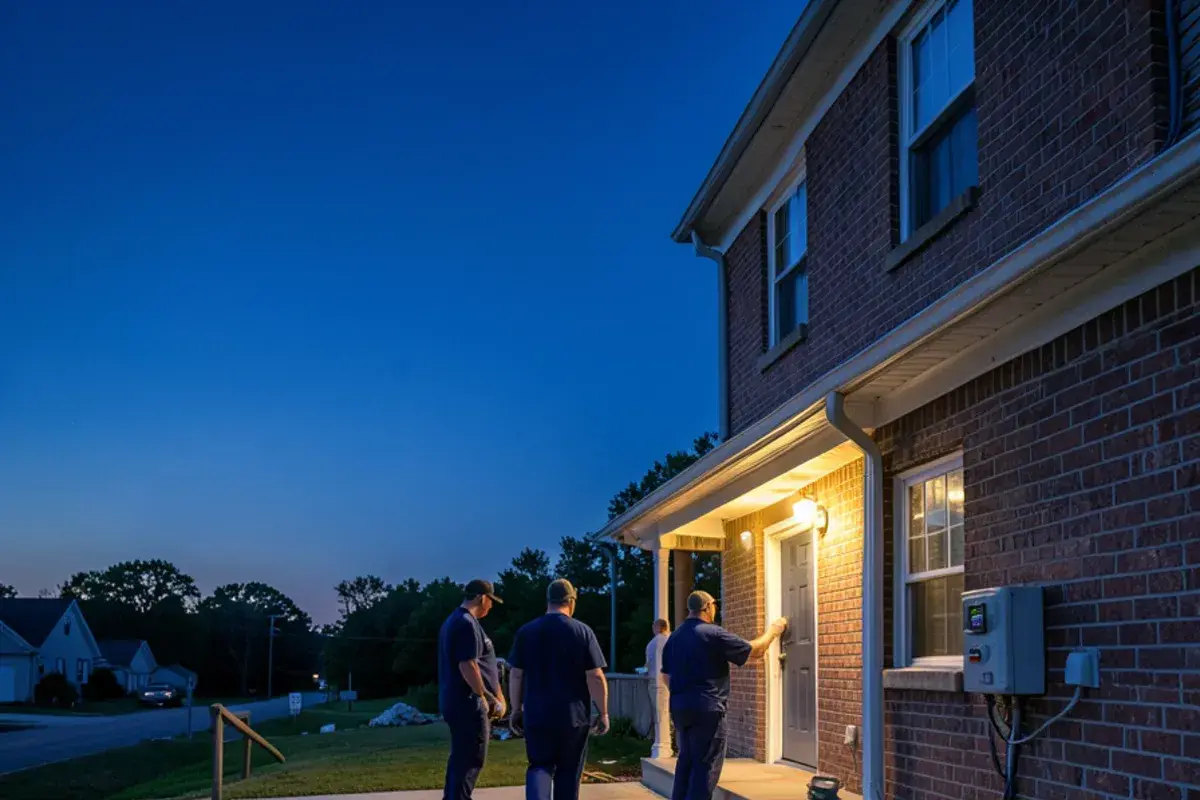
If you smell gas near your furnace, leave the house immediately, then call National Fuel at 1-800-444-3130 or 911 from a different location. Do not touch light switches, do not light a match, and do not try to find the source first. Everything else in this article can wait until the utility says your home is safe.
Natural gas has no smell of its own. Utilities add an odor, and National Fuel describes it as a rotten egg smell. A furnace in the basement is a common place for a leak to start, because that is where the gas line, valve and burners meet.
What do you do in the first minute?
Do these in order, and do not stop to gather anything.
- Get everyone out. Include children, older relatives and pets, and leave the door open behind you if that costs no time.
- Do not create a spark. Do not flip switches, plug or unplug anything, use the garage door opener, or start a car in an attached garage.
- Move away from the house. Go far enough that you are not near windows, ideally across the street or at a neighbor's.
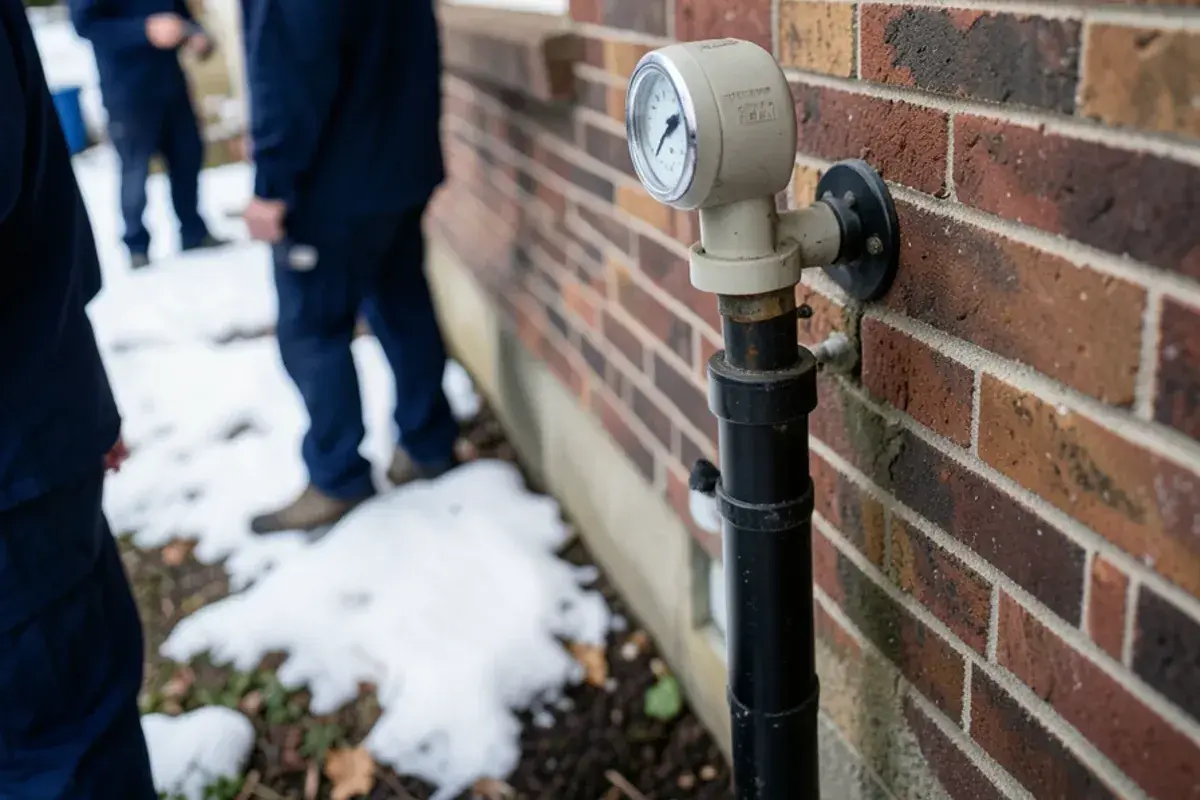
- Call from outside. Dial National Fuel's emergency line, 1-800-444-3130, or 911. National Fuel says the line answers 24 hours a day, seven days a week, and gas leak investigations are free.
- Stay out. Do not go back in for a phone, a coat or a pet. Wait for the utility's crew or the fire department.
What if the smell is faint or comes and goes?
Treat a faint smell the same as a strong one. Gas can build in a closed basement and drift, and your nose can adjust and stop noticing it after a few minutes. Call National Fuel. A crew that finds nothing costs you nothing, while a hesitant call can cost far more.
A smell that fades is not proof the leak is gone. National Fuel notes that the odor can weaken over time, so do not decide a leak stopped because the room smells normal after a few minutes. If you noticed it, make the call.
A hissing or whistling sound near a pipe or appliance is another warning sign. Either one is reason to leave and call the utility.
What should you tell the person who answers?
Keep it short. You are outside by now, so give the dispatcher these details in this order:
- The street address, and the nearest cross street if you are at a neighbor's.
- What you smelled or heard, and where in the house it was strongest.
- Whether everyone is out, and whether anyone feels dizzy, sick or has a headache.
- That you did not touch switches or appliances on the way out.
Then stay on the line if they ask you to, and keep family and neighbors back from the house until a crew arrives.
Is it gas, or something else?
Not every furnace smell is a leak. Telling them apart helps you decide how worried to be, but when in doubt, treat it as gas and leave.
| Smell | Often means | What to do |
|---|---|---|
| Rotten eggs or sulfur | Natural gas | Leave, call National Fuel or 911 |
| Burning dust, brief, first cold day | Dust on the heat exchanger or burners | Ventilate, watch it fade in an hour or so |
| Hot metal or electrical burning | Overheated motor or wiring | Switch the furnace off at the breaker and call us |
| Musty or damp odor | Moisture, mold or a drain problem | Schedule a visit, not urgent |
| Exhaust or fumes, headache | Possible carbon monoxide | Go outside, call 911 |
Carbon monoxide is odorless and colorless. National Fuel lists fatigue, headache, dizziness and nausea as the symptoms to watch for. If an alarm sounds or anyone feels these and improves outdoors, go outside immediately and call 911.
What happens after the utility arrives?
The crew will test the air inside your home and trace the source. If they find a leak at your meter or outside piping, they handle it. If the leak is at an appliance or piping inside the house, they may shut off your gas and tag the appliance. Do not turn it back on yourself, and do not remove a tag.
Who fixes what depends on where the leak is. National Fuel says it maintains the main and service lines, and that property owners are responsible for the other pipes running from the meter. A leak in the piping that feeds your furnace, water heater or range is usually on your side of that line, and the repair is the owner's to arrange with a qualified professional. Anyone digging in the yard should call 8-1-1 at least three business days ahead so utility lines get marked, as National Fuel advises.
At that point you need a heating technician to find and repair the problem. We would rather you call the utility first and us second, every time. When you reach us, tell us what the crew found and what they shut off. Our hours are Monday through Friday, 7:30 AM to 5:00 PM, and if you call after hours, leave a message and we will return it as soon as we can.
How we look at a gas-related furnace call
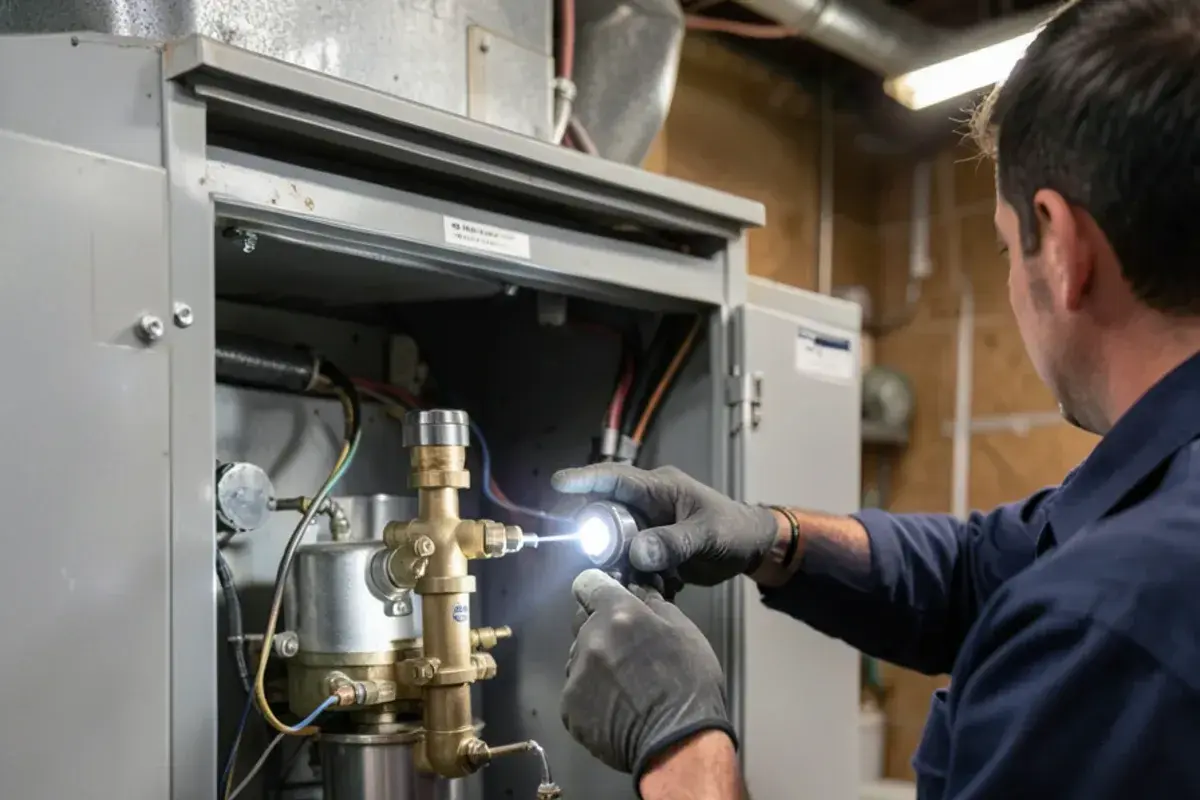
Once your home is cleared, our approach is simple. We do not guess, and we do not recommend replacement before we have found the cause. We check the gas connections at the furnace, the valve, the burners, the venting and the combustion, then show you what we find. A loose fitting is a small repair. A cracked heat exchanger or a failed gas valve is a bigger decision, and we explain both choices and give you a clear quote before work starts.
Do not relight a pilot light or turn gas back on after a utility shutoff until the utility has cleared the home. See emergency furnace repair and furnace repair for how those visits go.
How do you lower the chance of a gas problem?
- Have the furnace inspected every fall. Furnace maintenance includes looking at gas connections, burners and the vent.
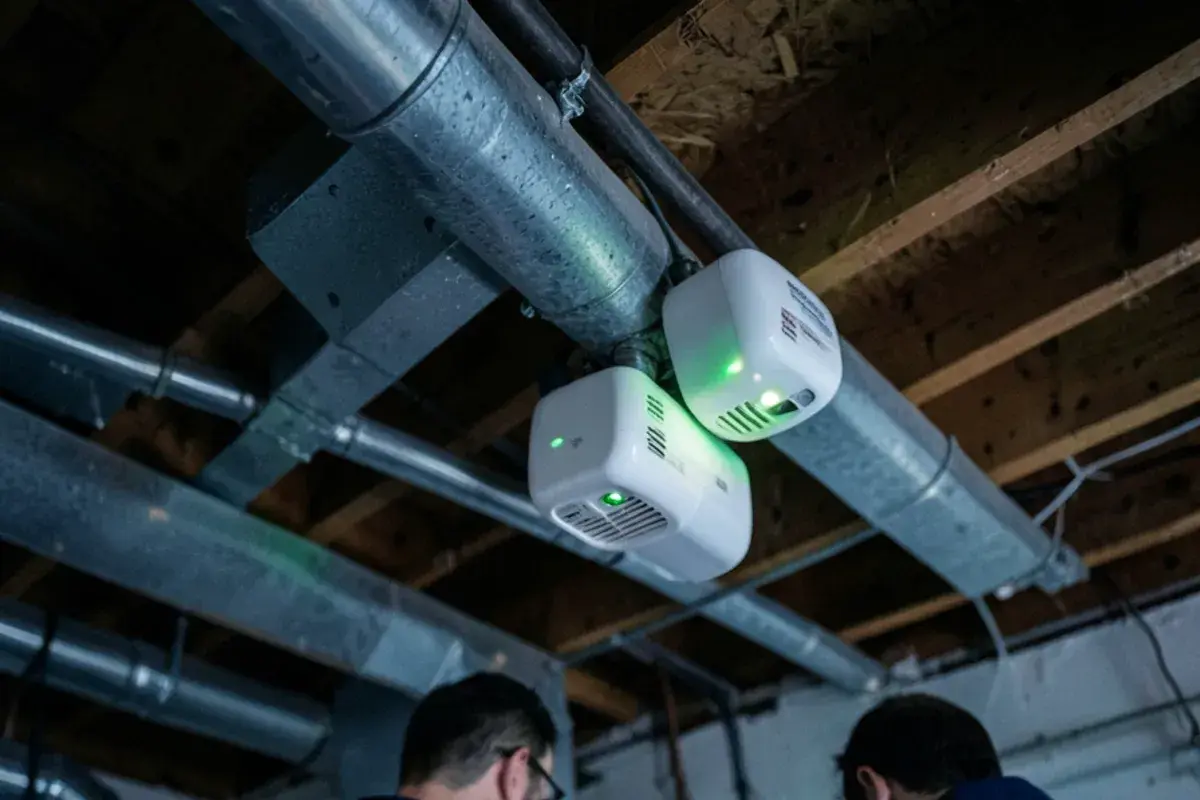
- Keep a working carbon monoxide alarm on every level and near sleeping areas, and test them monthly.
- Keep storage, paint and chemicals away from the furnace and water heater.
- Do not store anything against the vent pipes or the meter, and clear snow and ice from exhaust and intake vents, as National Fuel advises.
- Know where your gas shutoff is and tell everyone in the house, but let the utility use it if there is a leak.
Carbon monoxide alarms matter here too, since a failing gas appliance can produce both a smell and a silent gas. The state's Division of Homeland Security and Emergency Services summarizes Amanda's Law this way: alarms are required in existing one- and two-family homes with a fuel-burning appliance, system or attached garage, and the law took effect February 22, 2010. The same page says the National Fire Protection Association recommends placing alarms outside each sleeping area and on every level. Press the test button each month, and replace any unit that stops working as intended. An alarm never replaces a call to the utility about a gas smell.
When should you call us?
Call us for repairs, for a furnace that smells hot or burnt, or for a safety check after the utility has cleared you. Kenmore homes are about 30 minutes from our Orchard Park base, and an older furnace anywhere in Kenmore is worth a check before the first cold night. Reach us at (321) 666-8870. If you smell gas right now, stop reading and go outside.
Quick answers
Should I open windows before I leave?
No. Leave right away and do not spend time on anything else. Do not turn lights on or off, do not use a phone inside, and do not search for the source. Your only job is to get everyone outside. The utility's crew will ventilate the house and test the air once they arrive.
Does National Fuel charge to check a gas smell?
National Fuel says gas leak investigations are free, and its emergency line answers 24 hours a day, seven days a week. The number is 1-800-444-3130. If you are unsure whether the smell is real, call anyway. The utility would rather check ten false alarms than miss one leak.
Can I call you first about a gas smell?
Please do not. Call National Fuel or 911 from outside, before anyone else. We are an HVAC company, not a gas emergency service, and our office is open Monday through Friday, 7:30 AM to 5:00 PM. After the utility clears your home, call (321) 666-8870 and we will look at the furnace.