
Problem Solving
Is Air Duct Cleaning Worth It?
By John Gach, owner of Vantage Heating and Cooling · Published · Updated
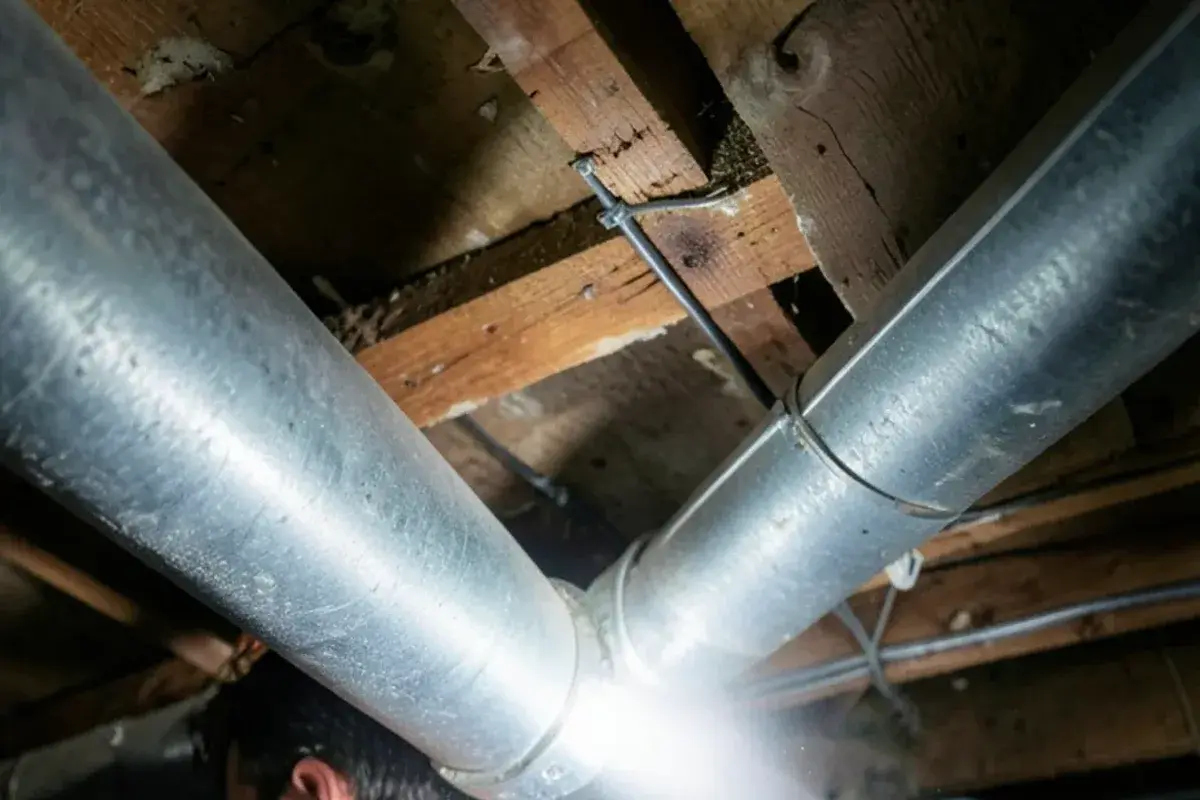
Duct cleaning is worth it only in specific cases, and the EPA says it should not be done on a routine schedule. Those cases are visible mold in hard-surface ducts, a pest infestation, or ducts so clogged that dust is blowing out of the registers. For most homes, a clean filter and sealed ducts do more good.
That may not be what a coupon in your mailbox says. Here is what the EPA actually recommends and how to decide.
What does the EPA say about duct cleaning?
The EPA's guidance, which it still publishes, says there is no proof that cleaning the ducts of a normal home protects your health, and little evidence that it improves how the system runs. It does not recommend routine cleaning, only cleaning as needed. It also says there is no evidence that properly done cleaning causes harm.
It lists three reasons to consider cleaning:
- Substantial visible mold inside hard-surface ducts, such as sheet metal, or on other parts of the system.
- Vermin in the ducts, such as rodents or insects.
- Ducts clogged with dust and debris, or dust and particles that blow out of the supply registers.
The EPA adds that mold and pests have causes, usually moisture or an opening, and that the cause has to be fixed first or the problem comes back. Insulated duct board that gets wet or moldy generally has to be replaced, because it cannot be cleaned well.
Is duct cleaning worth it for dust and allergies?
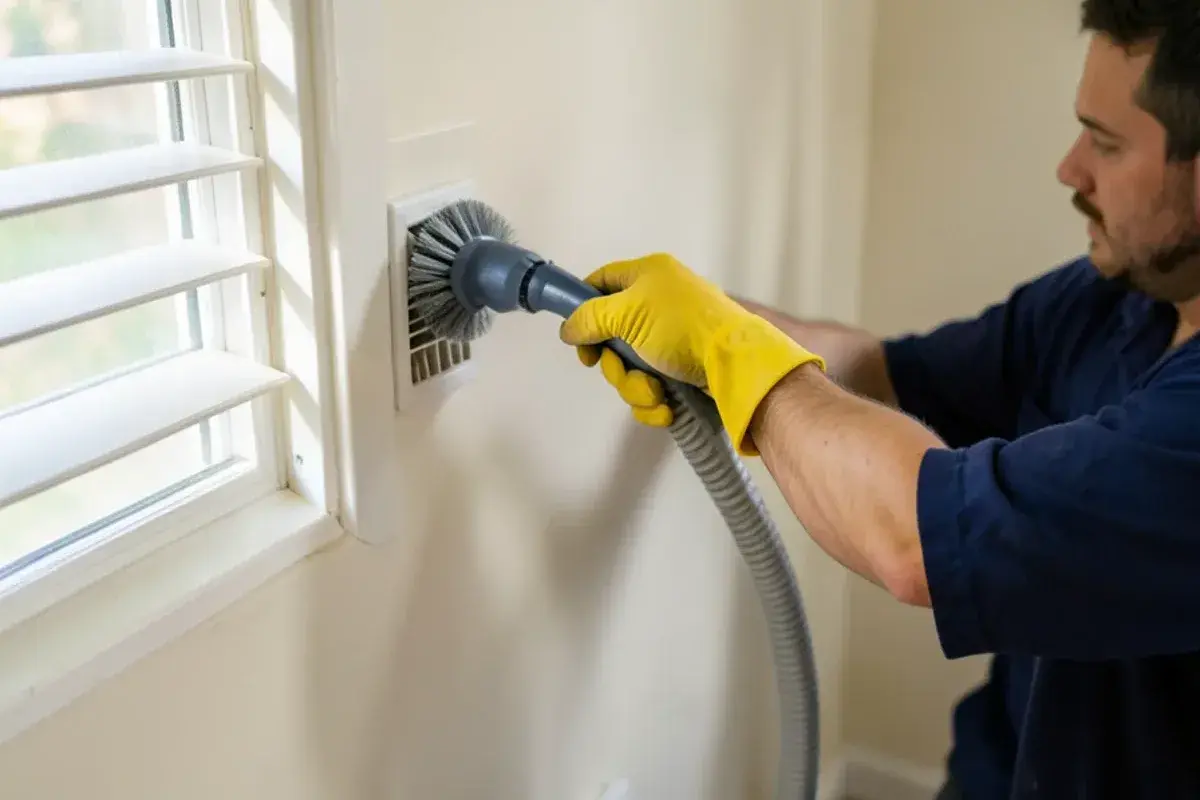
Usually not. Dusty return grilles are normal, because the grille catches the dust in the air being drawn through it. That does not mean the ducts behind it are filthy. You can vacuum or wipe registers and grilles yourself.
The EPA says cleaning has never been shown to prevent health problems, and studies do not show that dust levels drop in homes afterward. If dust or allergies are the goal, look at the filter, the sealing of the ducts and the source of the dust. Our air purifier and filtration page covers upgrades that address the air itself. If your problem is leaks rather than dirt, see signs of leaky ducts.
When is duct cleaning worth paying for?
| Situation | Clean? | Why |
|---|---|---|
| Visible mold in metal ducts | Yes, after fixing the moisture | EPA lists it as a reason |
| Rodents or insects in the ducts | Yes, after removing the pests | EPA lists it as a reason |
| Heavy debris blowing from registers | Yes | EPA lists clogged ducts as a reason |
| After construction or heavy remodeling | Often | Drywall dust can clog returns |
| Flooded basement with wet duct board | Replace damaged sections | Duct board that stayed wet is hard to clean |
| Normal dusty registers | No | Vacuum the grilles |
| A mailer promising better health | No | The EPA warns against sweeping health claims |
What should a proper cleaning involve?
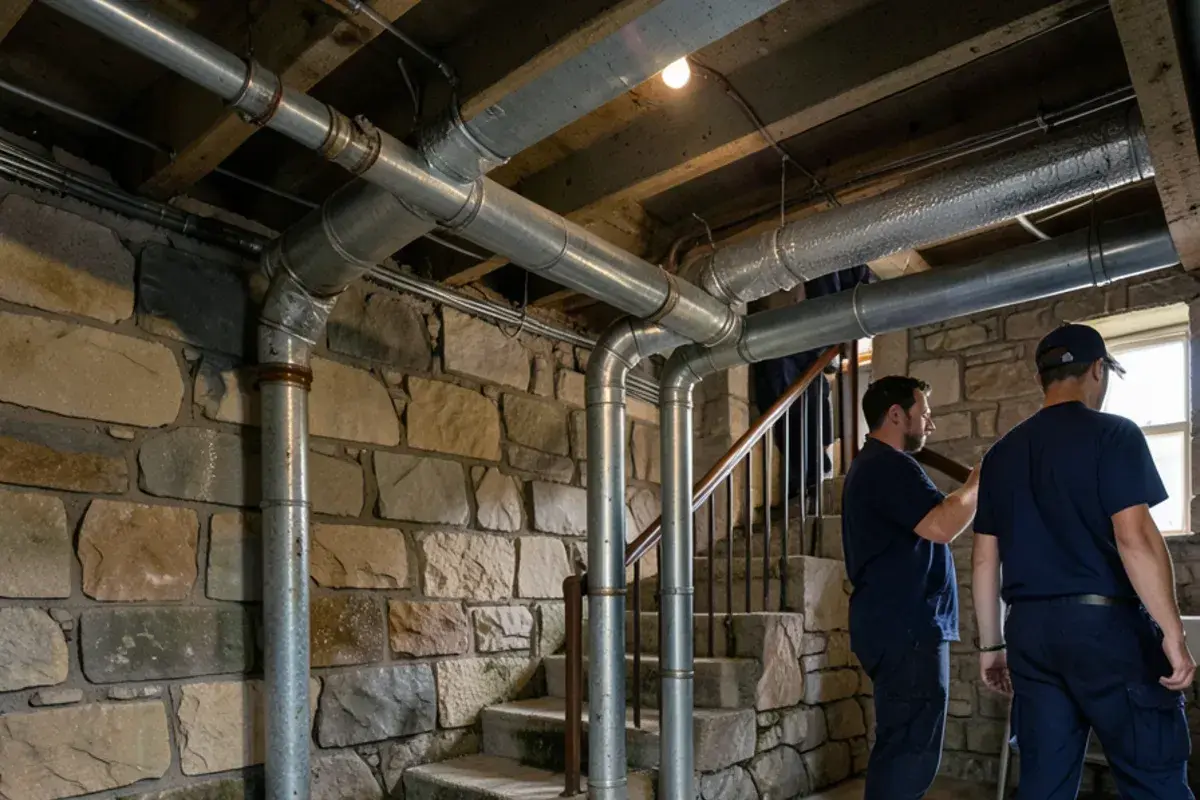
If you do hire someone, the EPA describes what good work looks like. Use it as a checklist when you compare providers.
- Access. Ports or doors are opened so the whole system can be cleaned and inspected.
- An asbestos check first. The EPA says the system should be checked for asbestos-containing materials before work begins, and that specially trained contractors handle them. About 61 percent of City of Buffalo housing units date to 1939 or earlier, per Census data reported by Point2Homes, so old wraps and insulation are worth asking about.
- A vacuum that exhausts outdoors. Or one with HEPA filtration if it exhausts indoors. The EPA warns that a poor collection system can release more dust than leaving the ducts alone.
- Brushing with contact vacuuming. Soft-bristled brushes only on fiberglass duct board or liner.
- Protected floors and furniture.
- Sealed and re-insulated access holes. They must be airtight afterward.
The EPA also notes that flexible duct can be cleaned, but replacing an accessible section may cost less. Ask about that before you agree to a price.
Does the rest of the system matter more than the ducts?
Often. The EPA says cleaning cooling coils, fans and heat exchangers may improve efficiency and reduce maintenance costs, while cleaning the ducts alone has little evidence behind it. It suggests asking for coil and drain pan cleaning as part of regular maintenance, and it advises inspecting fuel-burning furnaces before each heating season to guard against carbon monoxide. A furnace tune-up covers that side.
The EPA's moisture advice is just as practical. Repair leaks and water damage promptly, make sure condensate pans drain, check the insulation near cooling coils for wet spots, and seal and insulate ducts in attics and crawl spaces. It adds that an oversized air conditioner cycles too often and removes moisture poorly. If mold keeps coming back, the cause is water, and the ducts are only where it shows.
How do you check a mold claim?
Many parts of a duct system cannot be seen, so a provider's claim of mold is hard to judge. The EPA says to ask them to show you the mold, and that only an expert can confirm it. It describes lab testing of a tape sample, and it says wet or moldy insulation cannot be cleaned effectively and should be replaced. Do not sign on the spot. Take photos, get a second opinion, and look for the moisture source before paying to clean around it.
How much does duct cleaning cost?
Costs vary by house size and duct length. Fixr, a home-cost aggregator, reports a typical national range of about $300 to $700 in its 2026 data. That is a third-party estimate, not our quote. Prices in Buffalo may differ, and extras such as sanitizer or dryer vent cleaning raise the total.
A very low advertised price is a warning sign. The EPA advises talking to several providers, asking for proof of any contamination they claim and getting the full cost and scope in a written agreement before work begins.
What are the red flags?
The EPA warns about a few common tactics.
- Claims that cleaning will cure health problems or lower your bills.
- A recommendation to clean on a fixed schedule.
- Pushing chemical biocides or duct sealant coatings you do not understand. The EPA says no biocides are currently registered for internally insulated duct systems.
- Claims of EPA certification. The EPA says it does not certify, endorse or approve duct cleaning companies.
- No pictures or proof of the problem they say they found.

How we look at duct cleaning
We start with the question, not the job. What made you think about cleaning? Was it a smell, dust, a renovation or a flyer? Often the answer is a filter that needs changing, a leak in a return or a humidity problem, and cleaning would not fix any of those.
When cleaning does make sense, we show you what we see before you decide, and we look for the cause. A leaky return that pulls in basement dust, or a wet area that grows mold, will make the ducts dirty again. That is why we look at the whole system, not only the ducts. Our air duct cleaning page explains the service, and duct repair is sometimes the better first step.
Should you clean your ducts?
If you have visible mold, pests or heavy debris, yes. If you have normal dusty registers, probably not. Doing the simple things first costs far less: change the filter on time, keep water out of the basement and have the system checked each year.
If you live in Hamburg or elsewhere in the Southtowns, and you are not sure which side of the line you are on, call us at (321) 666-8870, Monday through Friday, 7:30 AM to 5:00 PM. We will tell you honestly whether cleaning is worth your money.
Quick answers
How can I tell if a duct cleaner is legitimate?
Ask them to show you the contamination they say justifies the work, and expect them to follow industry standards from NADCA. The EPA says it does not certify or endorse duct cleaning companies, so a claim of EPA certification is a red flag. Compare written estimates from at least three providers, and get the total cost and scope agreed before work begins.
How often should air ducts be cleaned?
The EPA does not recommend cleaning ducts on a routine schedule. It suggests cleaning when there is a specific reason, such as visible mold in hard-surface ducts, pests, or ducts clogged with dust and debris. A better yearly habit is changing the filter on time and keeping water and dirt out of the system.
Will duct cleaning make my allergies better?
There is no good proof that it will. The EPA says duct cleaning has never been shown to prevent health problems, and studies have not shown that dust levels in homes drop because ducts were cleaned. If allergies are the concern, start with better filtration and source control, then ask what is actually in your air.