
Comparison Guides
How to Choose an HVAC Contractor in Buffalo
By John Gach, owner of Vantage Heating and Cooling · Published · Updated
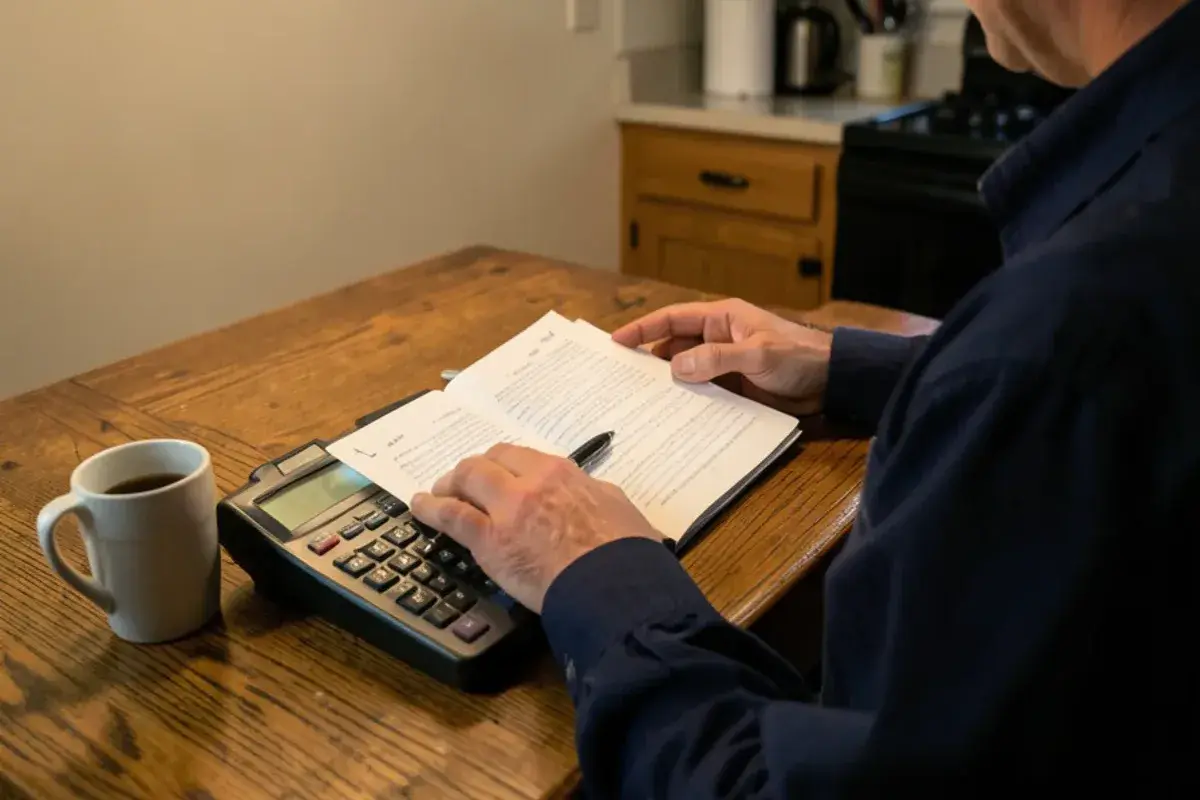
To choose an HVAC contractor in Buffalo, check three things before you compare prices: the local license or registration the work requires, proof of insurance, and a quote that spells out exactly what you are buying. New York has no statewide HVAC contractor license, so nobody does this check for you.
That makes your own homework worth the hour. Here is what to verify, in the order we would do it.
Does New York license HVAC contractors?
Not at the state level. Licensing in New York is local, and Erie County Consumer Protection publishes a list of what each municipality asks for. The rules differ a lot from one town to the next:
- City of Buffalo. Heating work requires a Heating Contractor license, handled by the Fuel Devices office in the Department of Permit & Inspection Services at 65 Niagara Square, Room 313.
- Town of Cheektowaga. Licenses plumbers and HVAC contractors.
- Town of Amherst. Licenses home improvement contractors.
- Towns and City of Tonawanda, and Village of Kenmore. Require contractor licensing.
- Town of Orchard Park. Licenses plumbers and electricians. West Seneca, Clarence, Depew and Williamsville license plumbers.
Treat that list as a starting point, because rules change. Call the building or code enforcement office where your house is and ask what the contractor must hold for your job. Then ask the contractor for the license number and check it yourself.
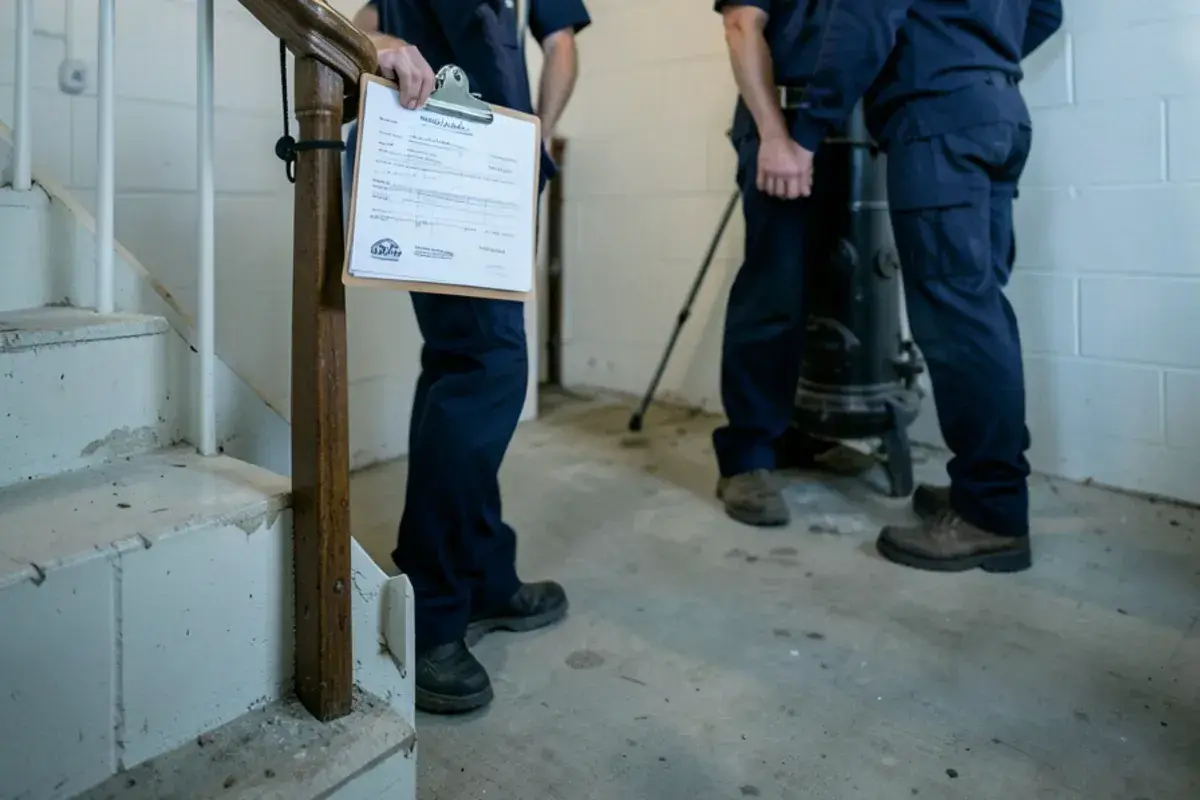
What proof of insurance should you ask for?
Ask for a certificate of insurance, sent directly from the insurer or agent, showing general liability coverage and policy dates. A photo of a card is not the same thing. If the contractor has employees, ask whether workers' compensation covers them, since an injured worker on your property is a different problem from a damaged ceiling.
This is a normal request. Any contractor who works in people's basements and attics should be able to answer it the same day. Ask every contractor you call, and write each answer down.
Does the job need a permit?
In most cases, yes, and it is the contractor's job to pull it. In Buffalo, HVAC work goes through Permit & Inspection Services, and under Buffalo Code Chapter 175, work started before a permit is issued can be charged double fees. If a contractor tells you a permit is not needed, check with the city or town yourself.
Anyone handling refrigerant must also hold EPA Section 608 certification under the Clean Air Act. You can ask the technician for it.
How do you compare two quotes line by line?
Get at least two quotes for any replacement, and ask each contractor to price the same scope. A quote that is cheaper because it leaves out the permit or the ductwork fix is not cheaper.
Put the quotes next to each other and compare:
| Line to compare | What to look for |
|---|---|
| Equipment | Model, size and efficiency level named, not just a brand |
| Sizing | Was a load calculation done, or was the old size copied? |
| Ductwork and venting | Repairs, new runs or sealing listed separately |
| Permit | Included in the price, with who pulls it |
| Removal and disposal | Old equipment and refrigerant handling |
| Warranty | What is covered, for how long, by whom |
| Electrical and gas work | Any extra work for the install |
| Payment terms | What is due, and when |
Ask each contractor to put the quote in a document you can keep, by email or on paper. If two quotes differ by a lot, ask each contractor to explain the largest line item that differs.
What does a New York home improvement contract have to contain?
State law sets a floor for any home improvement job over $500. The New York Attorney General's home improvement fact sheet says the contract must be in writing and that you must get a copy before work begins. Erie County Consumer Protection, describing General Business Law section 771, adds that both parties must sign and that the contract must be legible and in plain English.
Use this as a checklist when a contract lands in your inbox:
- Who the contractor is. Name, address, phone number and, where the work requires one, the license number.
- What the work is. A description of the work and of the materials, ideally with model numbers.
- When it happens. The anticipated start and completion dates, plus a list of things that could delay either one.
- What you pay and when. The total, the dates and amounts of progress payments, and the completion events that trigger each one.
- Insurance. The contract must disclose a property or casualty policy covering the work, with the insurer's phone number and address.
- A notice of cancellation. The Attorney General says you can cancel until midnight of the third business day after you sign, and that the cancellation must be in writing.
Changes after signing belong on paper too. Erie County's page says amendments must be in writing and signed by all parties. A verbal "we'll add the thermostat" is how disputes start.
How should you handle deposits and payments?
Do not pay in full up front. The Attorney General recommends a schedule with a down payment and incremental payments, and says to hold the final payment until the work, required inspections and any needed certificates are complete. Under the state rules the fact sheet summarizes, progress payments must bear a reasonable relationship to the work done or materials bought, and a contractor who takes money before completion must put it in an escrow account or provide a bond.
Ask where your deposit will be held. A contractor who is working within the law can answer that in one sentence.
What should you ask references and reviewers?
References and reviews tell you about behavior, which the license list cannot. Ask about these:
- Did the contractor explain the problem and show it, or only describe it?
- Was the final price the same as the quote, and if not, why?
- Did the crew protect floors and clean up?
- Was the permit pulled and the inspection passed?
- Did the contractor answer the phone after the job was done?
The Attorney General suggests speaking directly with former customers and asking neighbors. For an older Buffalo double or a radiator house, ask a reference whether the contractor handled a similar layout, since a boiler swap and a ducted furnace swap are different trades.
How do you spot a pressure sale?
Be cautious if a contractor insists you must decide tonight, quotes a price over the phone without seeing the equipment, or cannot explain why the old unit needs replacing. A repair you can understand is better than a replacement you cannot.
Reviews help, but read them for how a contractor behaves, not just the star count. Do customers mention explanations, clean-up and honest advice? Our own reviews on Google are public, and you can see them on our reviews page.
“He was at my house within hours. … He was very honest, knowledgeable and not pushy at all.”
How we suggest you judge any contractor
We would rather you ask hard questions than sign something you do not understand. When we visit a house, we look at the equipment, explain what we find, and show you the problem on the unit. If a repair is the smaller job and the right one, we say so.
We give a clear quote before work starts, and we expect you to compare it against someone else's. If our price is higher, we will explain why. If another contractor's scope is different, we can help you see where. That is how a fair choice gets made.
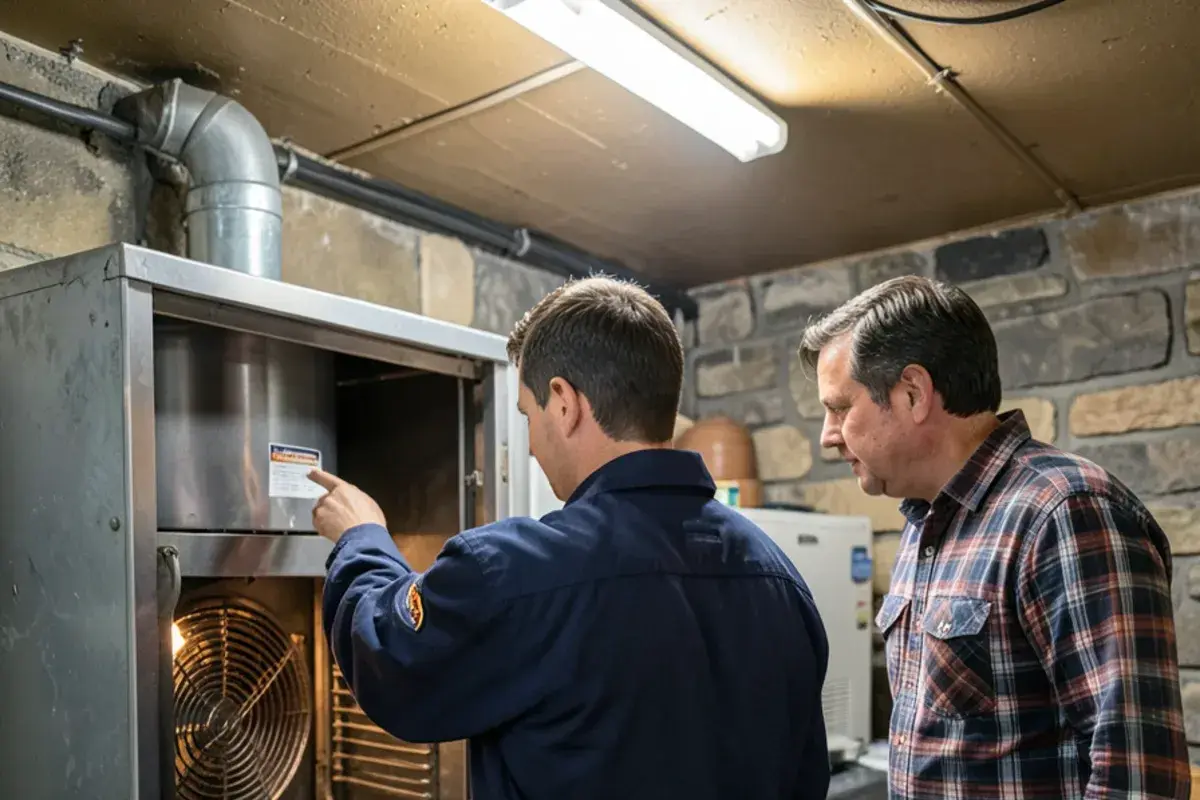
Start with two quotes
Write down the questions above, call two or three contractors, and compare the answers. If you are in Cheektowaga, Amherst or elsewhere in Erie County, call us at (321) 666-8870 and we will talk through your job. Our homepage lists what we handle, including furnace replacement and AC replacement.
Quick answers
Does New York require HVAC contractors to be licensed?
Not at the state level. New York has no statewide HVAC contractor license, so the rules come from cities, towns and villages. Buffalo licenses heating contractors, and Cheektowaga licenses HVAC contractors, while other towns have their own requirements. Call the building or code office where the work will happen to confirm.
What proof of insurance should I ask a contractor for?
Ask for a certificate of insurance sent to you by the insurer or agent, not a photo of a card. It should show general liability coverage and the policy dates. If the contractor has employees, ask about workers' compensation too. A contractor with nothing to hide will send it the same day you ask.
How many quotes should I get for a furnace or AC replacement?
Two is a good minimum and three is plenty. More than that makes the comparison harder, not better. What matters is that each contractor quotes the same scope: same size, same efficiency level, same ductwork and permit work. Then you can compare price line by line instead of guessing.
Sources
- Erie County Consumer Protection: municipal registration and licensing of contractors
- City of Buffalo, Fuel Devices: heating contractor licensing
- Buffalo City Code, Chapter 175 (eCode360): permit fees
- New York Attorney General, Home Improvement Fact Sheet (written contract, payments, three-day cancellation)
- Erie County Consumer Protection, Home Improvement Contract Requirements (General Business Law section 771)
- U.S. EPA, Section 608 refrigerant certification